
-
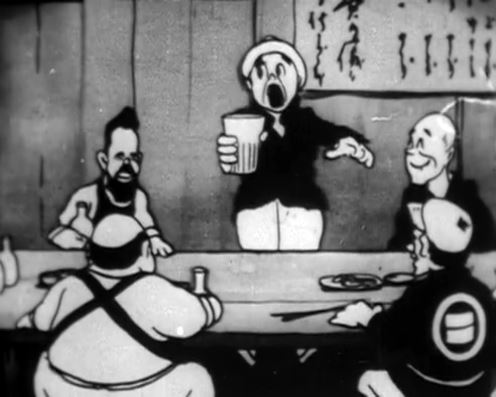
1936: MURATA’S END
On February 26th 1936, a group of young military officers, convinced that their brand of ultranationalism was correct and losing the internal struggle for the ear of the Emperor, attempted to overthrow the Japanese government; a coup d’etat.
-
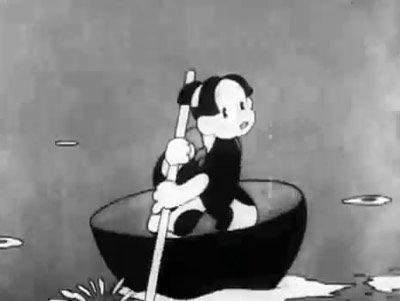
1935: ENTER SEO MITSUYO
SEO Mitsuyo begins a career that will survive the war, even though it’s not entirely clear how he managed it.
-
1935: ALMOST EVERYONE
Today, JO Studio works on a shoestring, Masaoka throws in the towel, a skiving fuel store owner keeps going, and Murata runs out of steam.
-
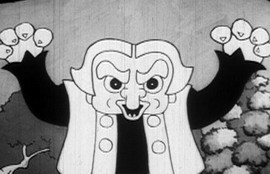
1934: FOUR DIRECTORS
Masaoka Kenzō gets unlucky, Ofuji Noburo uses another name, Seo Mitsuyo monkeys around, and an unknown director drives his characters mad.
-
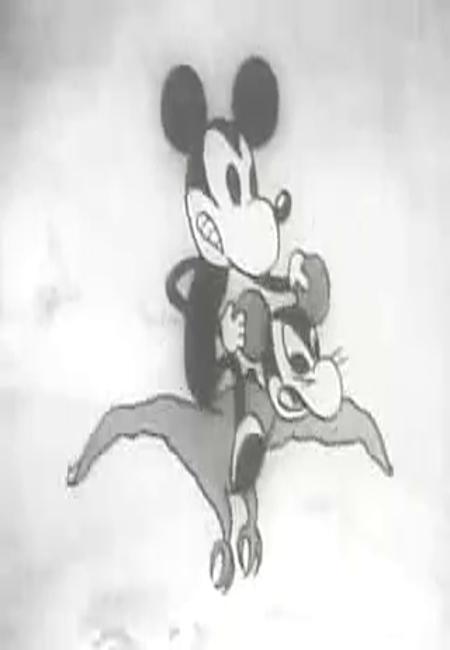
1934: TANAKA & OISHI
Two future parts of entertainment behemoth, Toho Studios, are making their first moves in animation. But one director is making his last.
-
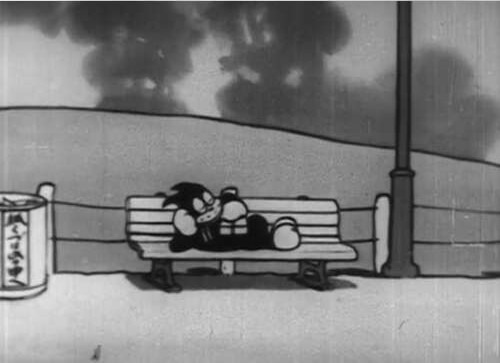
1934: HISTORY AND MURATA
STAGGERING INTO CHAOS When Prime Minister SAITO Makoto was appointed in 1932, he was supposed to be a safe, compromise candidate. As a career politician and a former Governor-General of occupied Korea, he was a safe pair of hands. As a retired naval captain who fought in the First Sino-Japanese War, it was thought he…
-
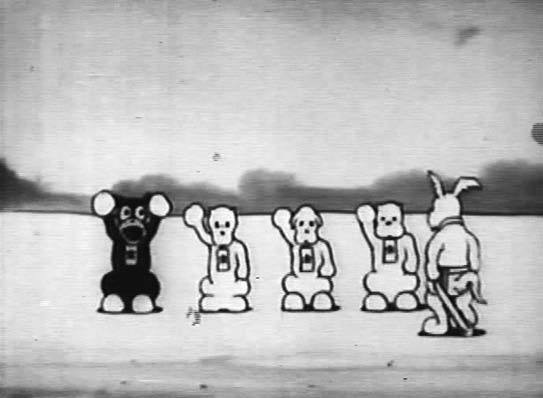
1933: MURATA THE INEVITABLE FREIGHT TRAIN
MURATA Yasuji’s work has been dominating this blog since the company was founded, and this year will be no different.
-
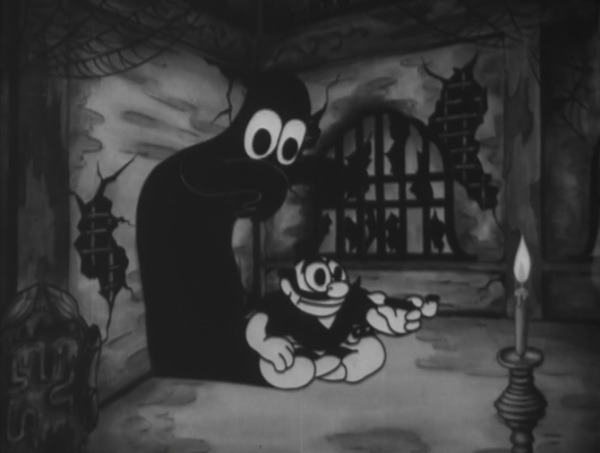
1933: MASAOKA, OFUJI, AND TEAM GODZILLA
MASAOKA was the first Japanese director to make a talking animated picture. Unless he wasn’t and it was OFUJI instead. Elsewhere, Godzilla’s owners shake a claw or two.
-

1931 – ACTUAL FIRST SUMO
I have an apology to make: I missed a cartoon. And it’s significant because it’s the first surviving depiction of sumo wrestling.
-

1933: HISTORY AND THREE DIRECTORS
If I’m going to be completely fair to the Japanese government, which is not a happy sentence fragment, they were still working to keep their citizens safe in 1933.