
Tag: Shōwa
-
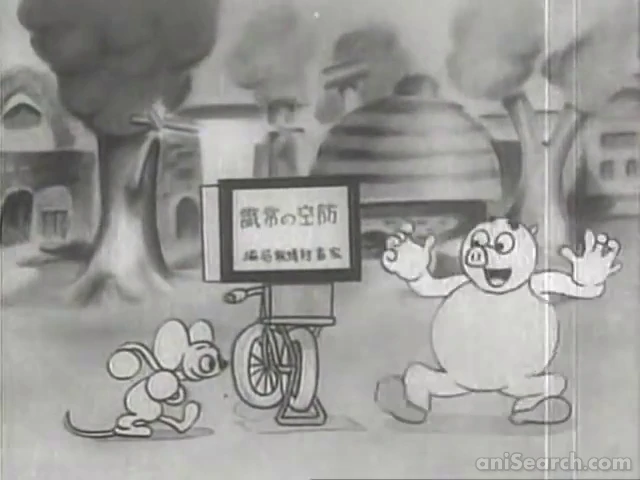
1942: THREE WATCHABLE CARTOONS
For 1942, there were only three cartoons which I have been able to see. So I’ve reviewed them.
-
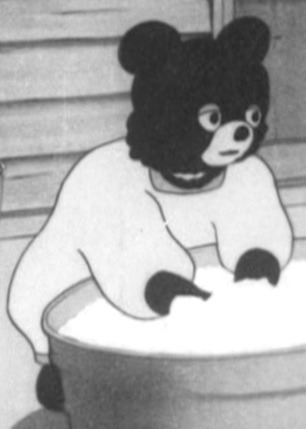
1941: YAMAMOTO AND THE WAN BROTHERS
As I hope has already become clear, this period of Japanese animated film-making is either superbly and precisely documented, or involves 85% guesswork.
-
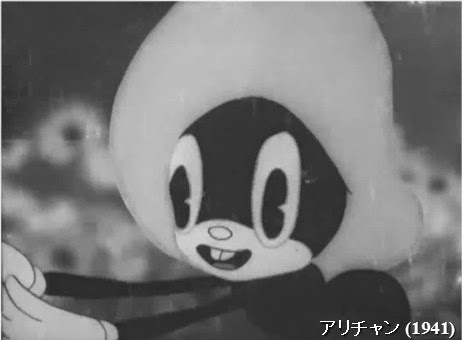
1941: NIKKATSU AND THE ANTS
Japan enters World War II proper, Mickey Mouse strikes a terrible propaganda blow, and the last of the original Japanese animation studios closes.
-
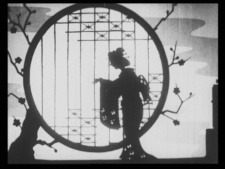
1940: AMERICA ON THE HORIZON
Our hero is a cutesy looking duckling who wants to play at war. He sounds like a kid, dresses like Donald Duck, and he’s been sent to the shop to get some “fish bullets” for dinner.
-
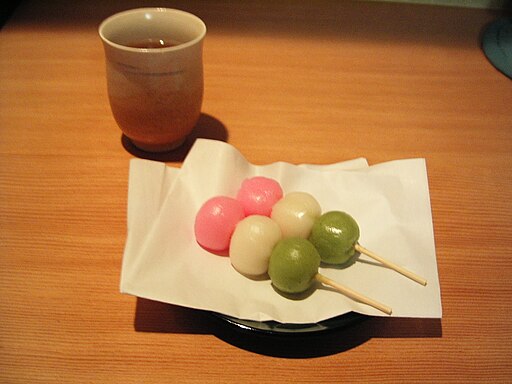
1937 – THE BEGINNING OF THE END
There are only three pieces of animation from Japan in 1937 that have made it to the present day. But I’m still very happy with what I can talk about.
-
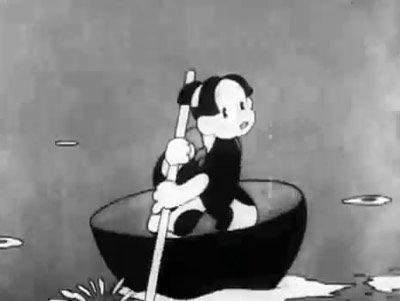
1935: ENTER SEO MITSUYO
SEO Mitsuyo begins a career that will survive the war, even though it’s not entirely clear how he managed it.
-
1935: ALMOST EVERYONE
Today, JO Studio works on a shoestring, Masaoka throws in the towel, a skiving fuel store owner keeps going, and Murata runs out of steam.
-
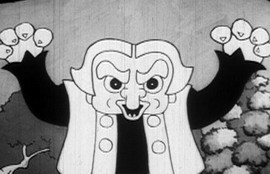
1934: FOUR DIRECTORS
Masaoka Kenzō gets unlucky, Ofuji Noburo uses another name, Seo Mitsuyo monkeys around, and an unknown director drives his characters mad.
-
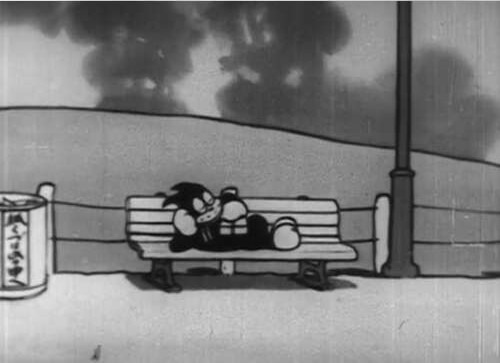
1934: HISTORY AND MURATA
STAGGERING INTO CHAOS When Prime Minister SAITO Makoto was appointed in 1932, he was supposed to be a safe, compromise candidate. As a career politician and a former Governor-General of occupied Korea, he was a safe pair of hands. As a retired naval captain who fought in the First Sino-Japanese War, it was thought he…
-
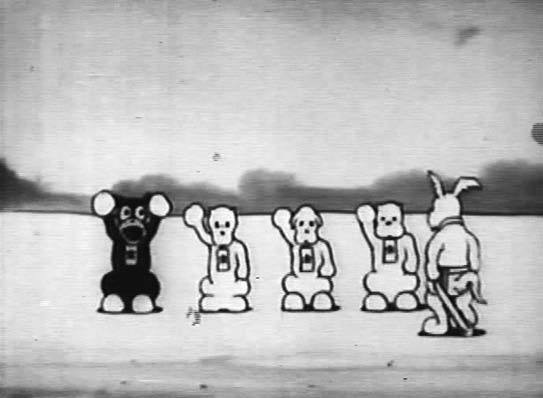
1933: MURATA THE INEVITABLE FREIGHT TRAIN
MURATA Yasuji’s work has been dominating this blog since the company was founded, and this year will be no different.