
Tag: Shōwa
-

1931 – ACTUAL FIRST SUMO
I have an apology to make: I missed a cartoon. And it’s significant because it’s the first surviving depiction of sumo wrestling.
-

1933: HISTORY AND THREE DIRECTORS
If I’m going to be completely fair to the Japanese government, which is not a happy sentence fragment, they were still working to keep their citizens safe in 1933.
-

1932: OGINO, OFUJI & THE UNKNOWNS
OGINO Shigeji was a skiving fuel store owner, someone’s whose name is lost was working for the Japanese War Department, and TEIZO Kato was making science fiction. They all directed cartoons from 1932.
-

1932: MURATA AGAIN
In my last blog, I said I didn’t think OFUJI Noburo would hire fifty people. On the other hand, if you told me that MURATA Yasuji had invented a team of animation robots to assist him, I’d believe you.
-
1932: CONTEXT, YAMAMOTO & KIMURA
By 1932, only three of the nine men who had served as Prime Minister since 1917 were still alive, and two of those six deaths had been assassinations. I’ll get back to cartoons as soon as I can.
-
1931: MURATA. THE INCIDENT.
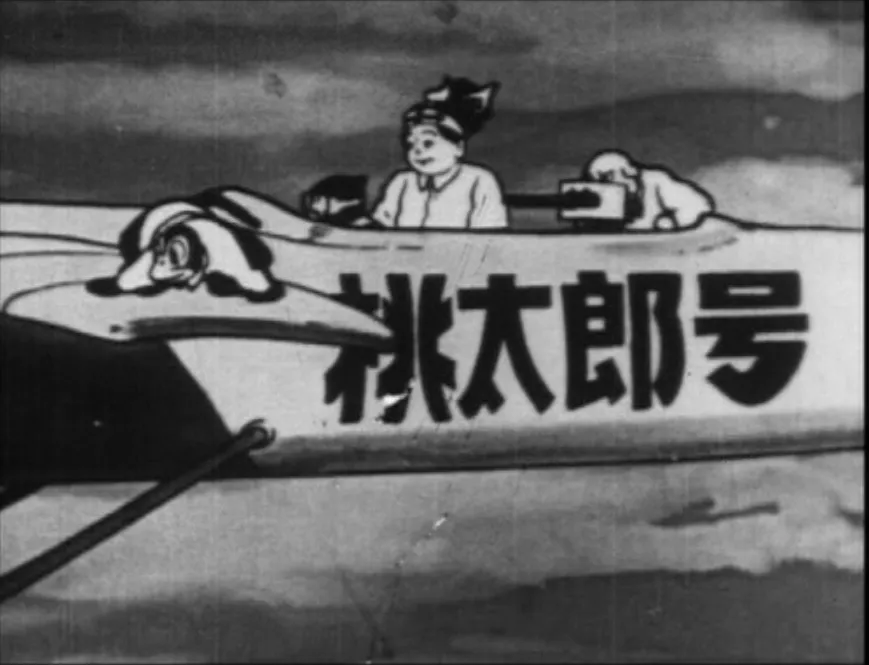
1931 saw Murata and his studio “only” release seven films. But one of them was a prequel for something far more famous. And something awful was about to begin.
-

1931: THE UNKNOWNS
Sometimes a cartoon, or a part of it, survives without much in the way of background material. Four animations from 1931 have made it to the present day, but their directors and studio names haven’t.
-

1931: OFUJI NOBURO
The first completely original record talkie – unless new evidence emerges – was made by Ofuji Noburo fill a demand from movie theatres, for a National Anthem.
-

1931: NIKKATSU AND YAMAMOTO
In 1929, Nikkatsu Studios set up a new animation department at their studio in Uzumasa, to the north-east of Kyoto. They would soon hire “the father of anime”.
-
1931: IWASAKI & A NEW PILLAR
By 1931 in Japan, animation was a viable industry again, even if that was largely down to government funding. So some new directors were joining the fray, although not all of them lasted.