Tag: Masaoka
-
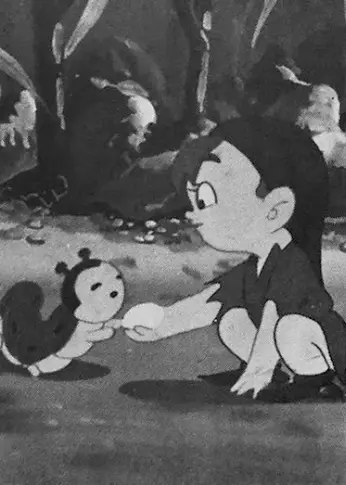
1950-53: DAIEI & DISNEY
For the first time since the passing of the 1939 Film Law, it was legal to import films from overseas.
-
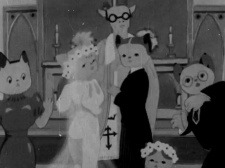
1948: MORINO, MASAOKA & OFUJI
This year, OFUJI Noburo got back into the studio to make “The Bear Dodger”.
-
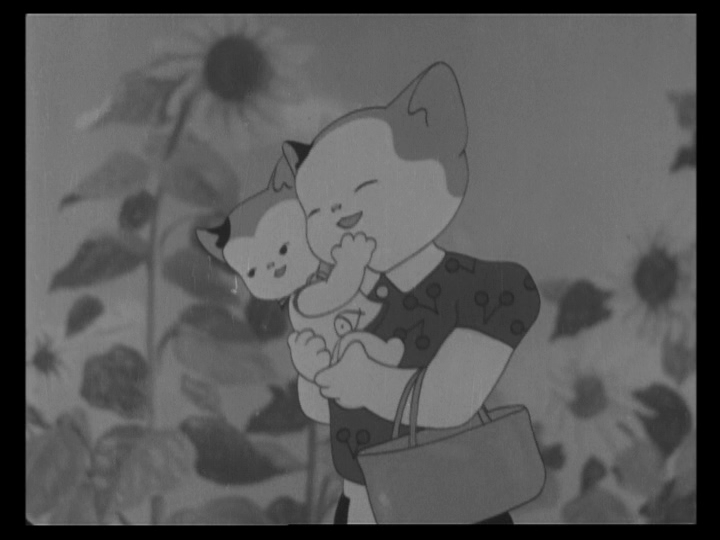
1947: MASAOKA’S POWERPLAY
The third film on the bill was Masoaka’s “Tora The Stray Cat”, and it had the most complicated credit list I’ve seen so far.
-
-
1943: MASAOKA, OFUJI & THE LOST
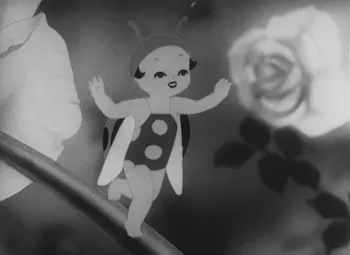
The next animated film to come out in Japan baffled me, because I didn’t see how it could have been made.
-
1940: AMERICA ON THE HORIZON
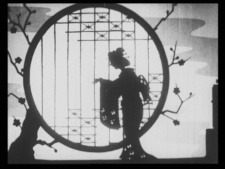
Today’s cartoons feature a war-playing duck, a dentist with a side hustle, and the return of a Golden Boy.
-
1939: WHEN DIPLOMACY FAILS
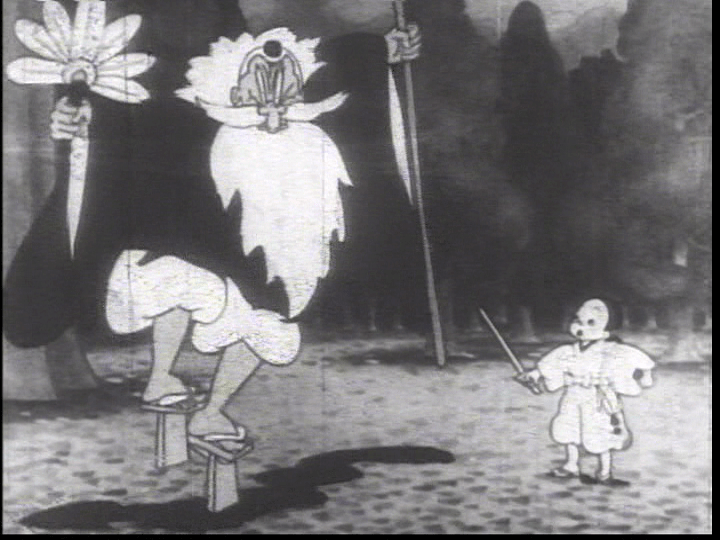
Japan gets outmaneuvered, as World War II starts in Europe. Thankfully, a few people are still making animation.
-
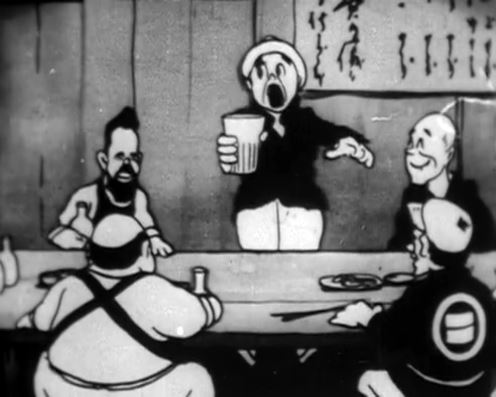
1936: MURATA’S END
On February 26th 1936, a group of young military officers attempted to overthrow the Japanese government; a coup d’etat.
-
1935: ALMOST EVERYONE
This week, I look at efforts from 1935 by JO Studio, Masaoka, Ogino and Murata.
-
1934: FOUR DIRECTORS
A quick spin through work from Masaoka, Ofuji, someone with a fake name, and Seo.